Meet Women Who Shaped North of Boston’s Early History
April 9, 2026Perhaps more than anything else, education can level the playing field for people, offering a path to a better life, more opportunities, and a fairer society. That’s what Judith Sargent Murray, author of “On the Equality of the Sexes,” firmly believed. The Gloucester essayist, poet, and playwright argued that women should have access to education and the right to control their own money, dismissing the prevailing views of the time that women were somehow intellectually inferior to men. Her essay, which was published in 1790, along with Mary Wollstonecraft’s 1792 Vindication of the Rights of Woman, are two important examples of how women were pushing for equality in the late 18th century.
Murray sometimes penned her work under a pseudonym, common for women then. In 1792, she started writing a column called “The Gleaner” in The Massachusetts Magazine, using a male persona. Six years later, she published a book of her columns and, ever enterprising, presold 800 copies. As she was married to a minister, Murray’s work was a vital source of income for her family.
And of course, she lifted up other women. In 1803, she helped her cousin, Judith Saunders (also from Gloucester), and artist Clementina Beach (from Gloucester by way of England) open the Saunders and Beach Academy, an elite school for girls in Dorchester. The academy, long closed, was turned into a multifamily home, and is listed on the Boston Women’s Heritage Trail.
Four More Groundbreaking Women
Puritan and Poet
Anne Bradstreet, who immigrated to America in 1630 with the Winthrop Fleet of Puritans, lived in Ipswich and Andover and was the first female poet published in both England and the New World. At the Ipswich Museum, an appointment will allow you to look through an early edition of her poems published in 1678.
Candy Maker and Abolitionist
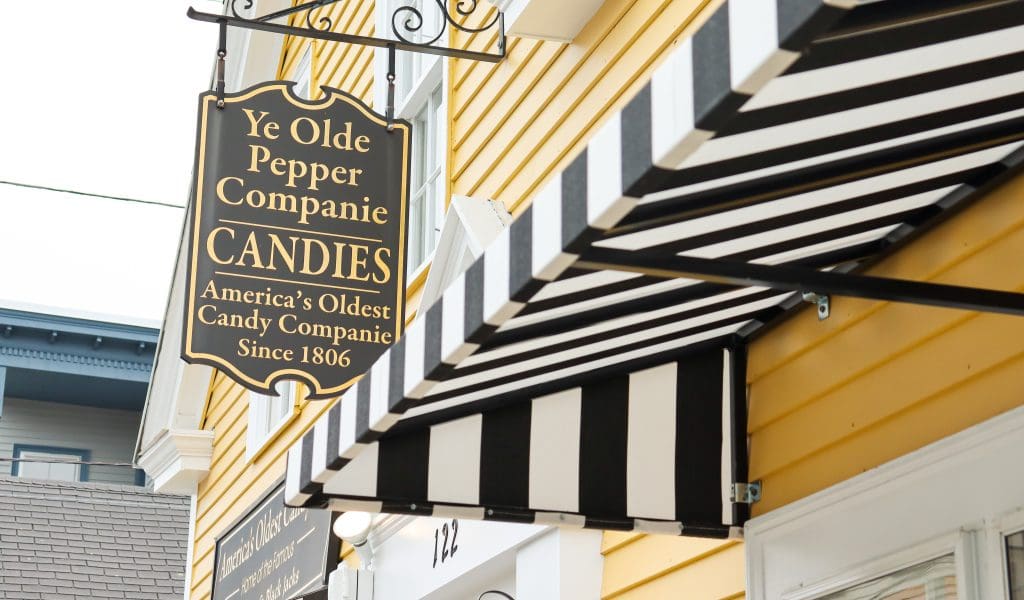
Massachusetts is known for many firsts, and one of the sweetest may be the Gibralter, America’s first commercially sold candy, created by Mary Spencer in Salem in the early 1800s. Perhaps even sweeter, Spencer was also an abolitionist who secretly transported escaped enslaved people to safety.
Ye Olde Pepper Candy Companie, which bought the business from Spencer’s son, is still operating.
Author and Social Reformer
Without a doubt, Harriet Beecher Stowe’s Uncle Tom’s Cabin, one of the country’s first bestsellers, helped turn the tide of public opinion in favor of emancipation. Stowe moved to Andover in August 1852 when her husband Calvin Stowe became a professor at Andover Theological Seminary. She is buried in Andover’s Phillips Academy Cemetery.
Philanthropist and Preservationist
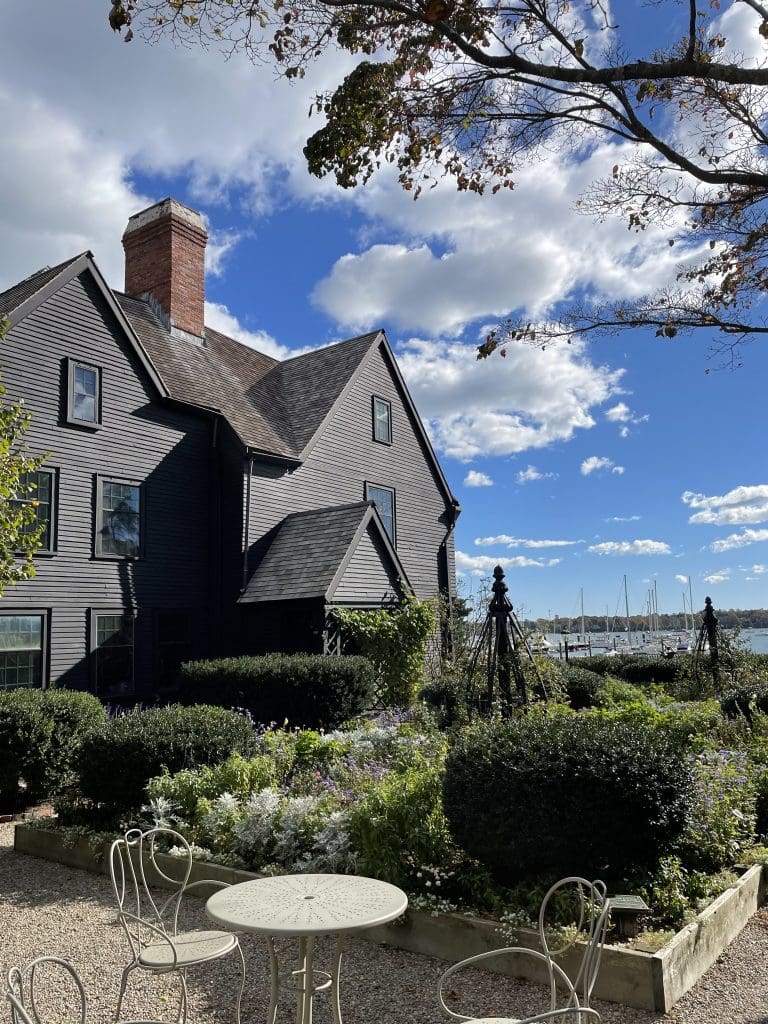
In 1908, wealthy philanthropist Caroline Emmerton bought the Turner-Ingersoll Mansion, credited with inspiring author Nathaniel Hawthorne’s 1851 novel The House of the Seven Gables, and turned it into a nonprofit museum. Over time, five additional structures with historic significance were added to what is now The House of the Seven Gables attraction in Salem, including Nathaniel Hawthorne’s Birthplace (circa 1750).
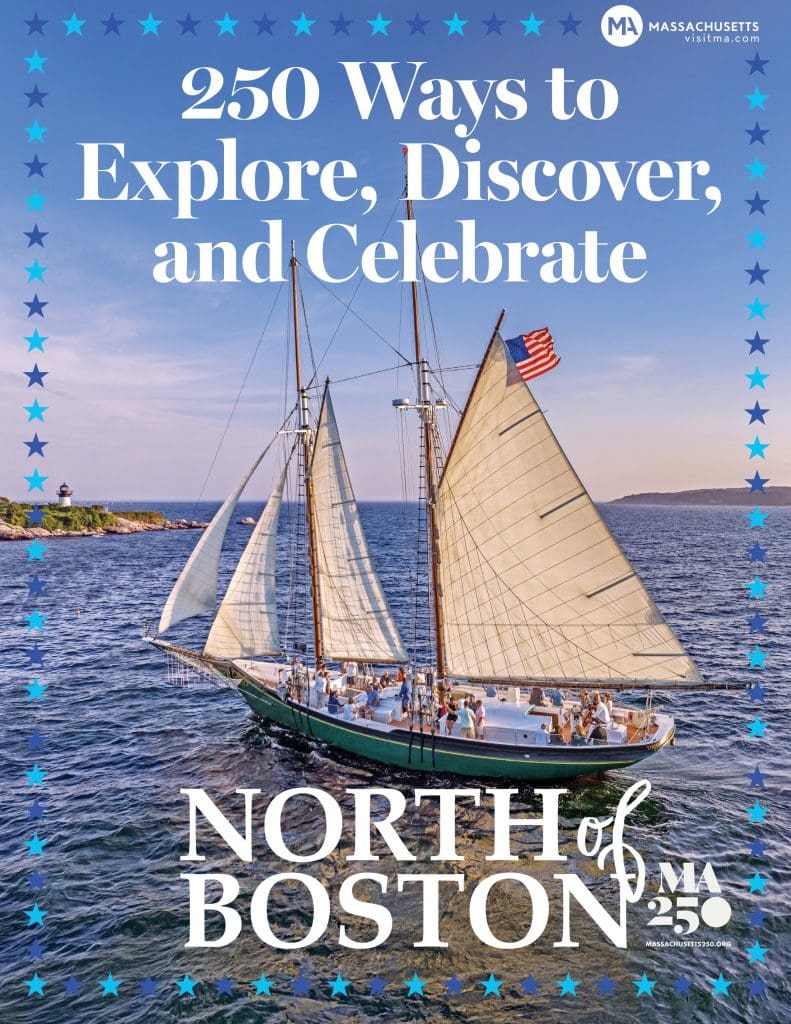
This blog is an excerpt from our digital guide “250 Ways to Explore, Discover, and Celebrate North of Boston”. To view the full guide, click here.