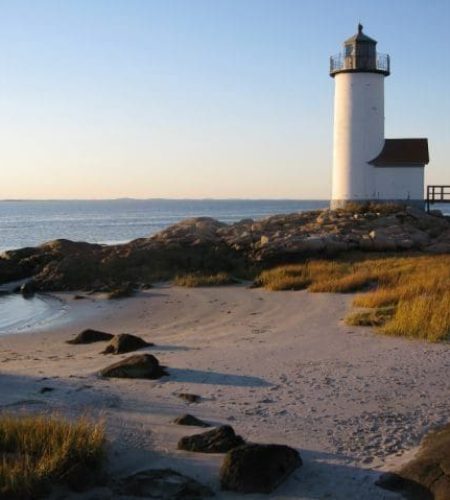
Maritime Magic in Salem, Massachusetts
Where There’s More to the Story Than Pointy Hats and Broomsticks
Everyone knows Salem, Massachusetts, for its witchy history focused around the Salem Witch Trials of 1692, but this seaside city first made waves on the water. In the late 1600s and 1700s, Salem’s harbor was one of the busiest in New England. Later, during the American Revolution, the seas off Salem’s coastline became a hub for privateering.
Ships packed with lumber, fish, and salt sailed from its shore, returning with exotic goods like molasses from the Caribbean, tea from China, and even pepper from Sumatra. These daring voyages made Salem one of the wealthiest towns in America.
Salem’s Trailblazing Captains
Salem’s sea captains were considered trailblazers, often sailing further than other American ships in the colonial era. Not only did they bring home tangible riches, but their daring voyages sparked global curiosity through their storytelling and maps. Imagine seeing such wonders as monkeys, parrots, an elephant named ‘Old Bet’, and colorful woven textiles arriving at Derby Wharf? It must have felt like the world was docking right in town!
Salem’s trailblazing captains included Revolutionary War soldiers such as John Collins and Jonathan Archer, as well as Captain Israel Williams, who commanded the Salem Independent Cadets. Also notable is William Phips, the governor who convened the Court of Oyer and Terminer to address the 1692 Witch Trials, and sea captains like John Melvill who served in the Revolutionary War.
The trade and maritime activities of these seafarers left a permanent mark on Salem. Merchants built stunning homes that you can still tour today, using products shipped into the city’s port. The wealth of this robust trade helped create lasting institutions. Founded by the collections of Salem’s sailors, the Peabody Essex Museum is one of the nation’s oldest and most fascinating museums, filled with art and artifacts from Salem’s seafaring days.
Salem’s Changing Maritime Role
The War of 1812, along with changing trade routes, and competition from larger ports like Boston and New York shifted Salem’s role as a shipping hub. But its maritime heritage remains as one of Salem’s greatest treasures.
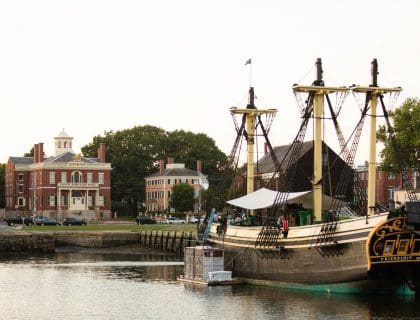
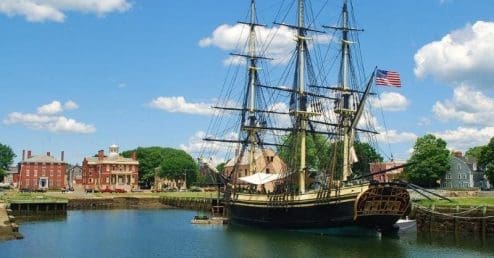
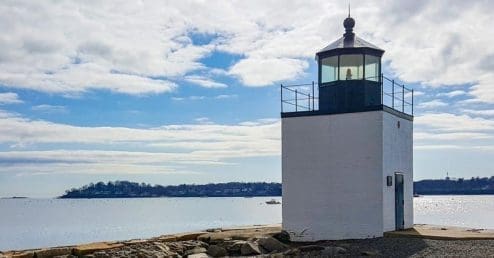
Today, visitors can explore this salty history at the Salem Maritime National Historic Site, America’s first national historic site. Stroll Derby Wharf, step aboard a replica tall ship, and visit the Custom House where renowned author Nathaniel Hawthorne once worked.
Everywhere you look, the adventurous spirit of Salem’s sailors lives on. While witches may have put Salem on the map, it was the sea that made the city shine. Salem’s maritime past is a story of risk, riches, and remarkable voyages that add to the magic of this city and significantly contributed to the creation of a nation.