Taste Dishes that Have Been Around Since Colonial Days
April 28, 2026Got an appetite for classic New England dishes the colonists would have raved about if they’d only had Yelp? Here’s your guide to essential 17th-century eats, along with suggested North of Boston restaurants that make time travel possible for your taste buds.
Chowder
From clam to corn, you’ll find chowders of all kinds on menus across the region. In Newburyport, check out the chowder at The Grog, a convivial restaurant on Middle Street. Their version features a milky broth loaded with minced clams and finely diced potatoes. And it’s speckled with a red-hued ingredient that adds its own unique flavor. Is it sherry? Paprika? The staff isn’t saying, but it definitely sets this chowder apart.
Brown Bread
New England brown bread became “the thing” during the 17th and 18th centuries, when colonists used rye and cornmeal in their bread baking. The loaves were steamed over open fires, with molasses making its way into the mix once it became available through international trade. Eventually, the now-familiar can method took hold for forming and steaming the dough. For an authentic homemade brown-bread experience, check out Nason’s Stone House Farm in West Boxford, where they sell fresh and frozen versions.
Apple Cider Donuts
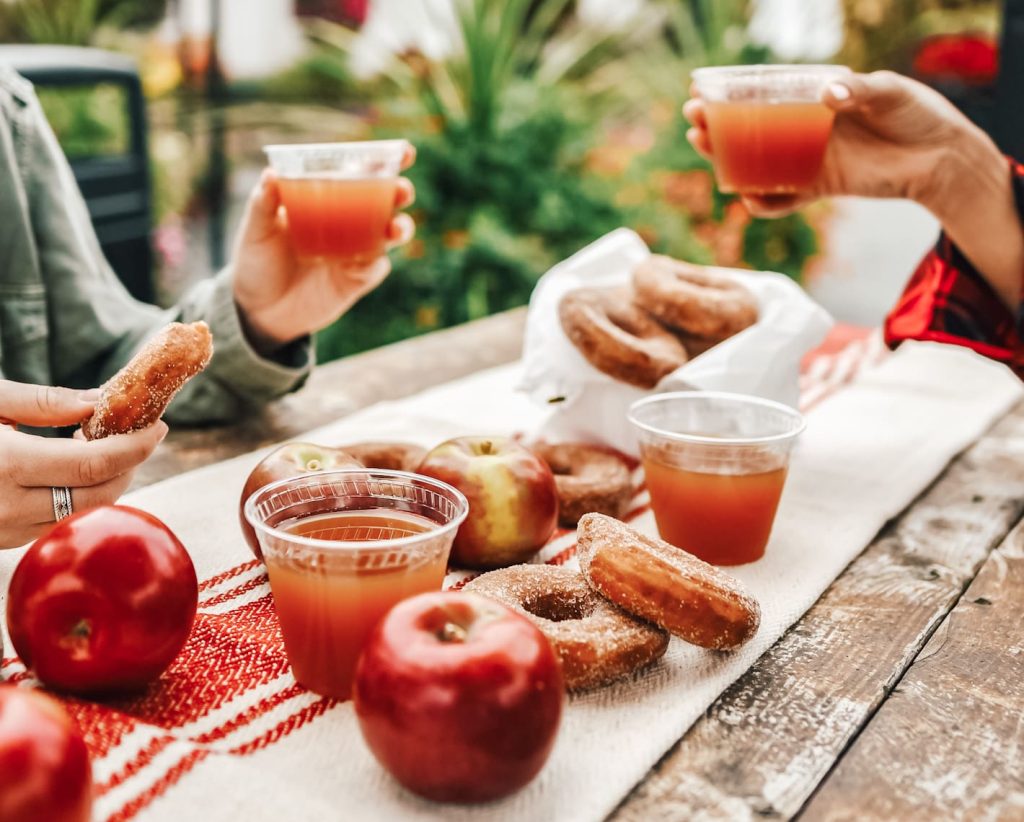
The wedding between apple cider and donuts is generally believed to have occurred during colonial times. Cider Hill Farm in Amesbury is one of the best places to go for this autumnal treat. The farm presses its own cider and makes cider donuts by the hundreds every fall day. You can purchase a bagful or just one, fresh out of the fryer in the cavernous farm-stand barn, and enjoy it with a cider slushie, hot cider, or hard cider if you’ve reached the ripe old age of 21.
Salt Cod
Since there was no refrigeration in colonial days, salting cod became a method to keep this bountiful New England fish preserved for lengthy periods of time. Salt cod is cured in beds of salt then soaked for several days to desalinate prior to cooking. Today, Portuguese Americans remain particularly fond of salt cod. At the Trackside Bar and Grill in Peabody, you can enjoy the popular Portuguese salt-cod dish known as bacalhau. You’ll be charmed by this neighborhood restaurant as you sample the type of cod that kept many American colonists alive during the long winter months.
Yankee Pot Roast
Stewed beef with vegetables, which became known in New England as Yankee pot roast, served as a staple in colonial kitchens for decades and was often accompanied by a fresh-baked loaf of bread for sopping up the rich, flavorful gravy. In Ipswich, 1640 Hart House serves up a piquant pot roast in its tavern restaurant, and it comes with mashed potatoes on the side.
Clambake
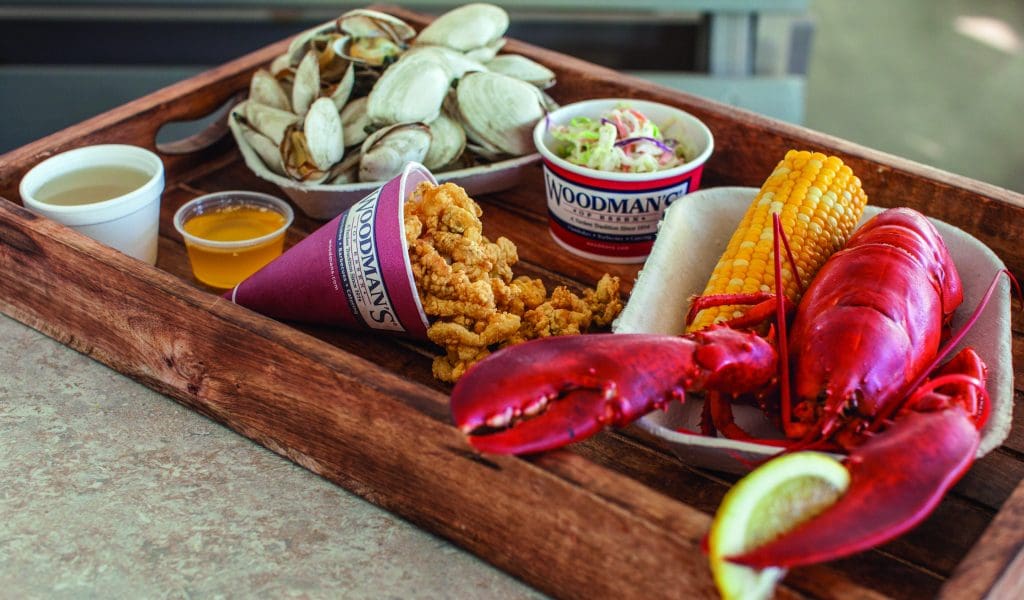
Clambakes originated with pre-colonial Indigenous Americans, and they’re still a ubiquitous offering thanks to several fine catering operations in the region. Not hosting a catered event? You can always improvise by going to Woodman’s of Essex and ordering boiled lobsters, steamers, and corn on the cob to feast on beneath their tents out back.
Roast Turkey
Turkeys are native to North America, and colonists made good use of them in much of their cooking. Raymond’s Turkey Farm in Methuen is a great place to indulge in all things gobbler. The farm raises its own birds, and they may be purchased (fresh or frozen) for roasting back home or in the form of turkey pies, homemade gravy, or even single servings of meat and sides for instant gratification.
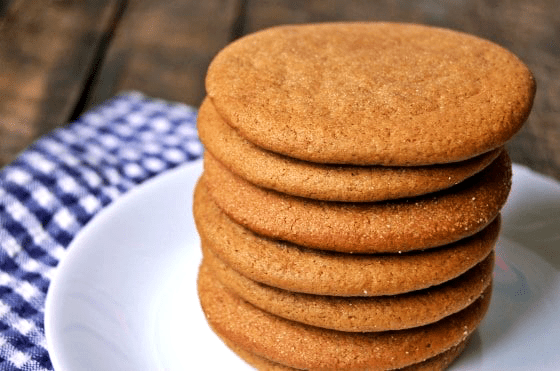
Joe Froggers Cookies
These soft, chewy cookies date back to the late 1700s. They were invented by Lucretia Brown, whose husband, Joseph Brown, was a formerly enslaved man who owned a tavern in Marblehead. Flavored with rum, molasses, ginger, allspice, nutmeg, and cloves, the cookies were popular throughout the colonies. The Muffin Shop in Marblehead still bakes batches of these colonial confections and features them regularly in their display case.
Have a Pint at a Tavern Where Revolution Was Whispered
Taverns were centers of community for American colonists, who gathered to raise a pint with their neighbors and talk politics. But as rumblings of dissatisfaction with the British king grew louder, taverns became important meeting places for people like Sam Adams and other patriots to speak in hushed tones—and eventually shout—about revolution.
Just 20 years after the Pilgrims landed in Plymouth in 1620, a tanner named Thomas Hart built himself a one-room house in the North Shore town of Ipswich. Centuries of additions and transformations later, that modest home is now the 1640 Hart House, where each room is its own cozy, intimate dining area, and you can toast some of America’s earliest beer drinkers with each ale you toss back.
Before becoming one of Salem’s most beloved breakfast and lunch spots, Red’s Sandwich Shop was the circa 1698 London Coffee House, a meeting place for patriots to discuss taxes and tyranny in the lead-up to the American Revolution. Visit today for a beer and steak tips Benedict (no judgment here!), and plot your own bold move.
Photos: Courtesy of Woodman’s of Essex; cider donuts courtesy of Cider Hill Farm; Joe Frogger cookies by Aimee Tucker
*
This blog is an excerpt from our digital guide “250 Ways to Explore, Discover, and Celebrate North of Boston”. To view the full guide, click here.